Recording Vinyl Records At 16 Bit 88 2

Pin On Classical Opera Vinyl Records
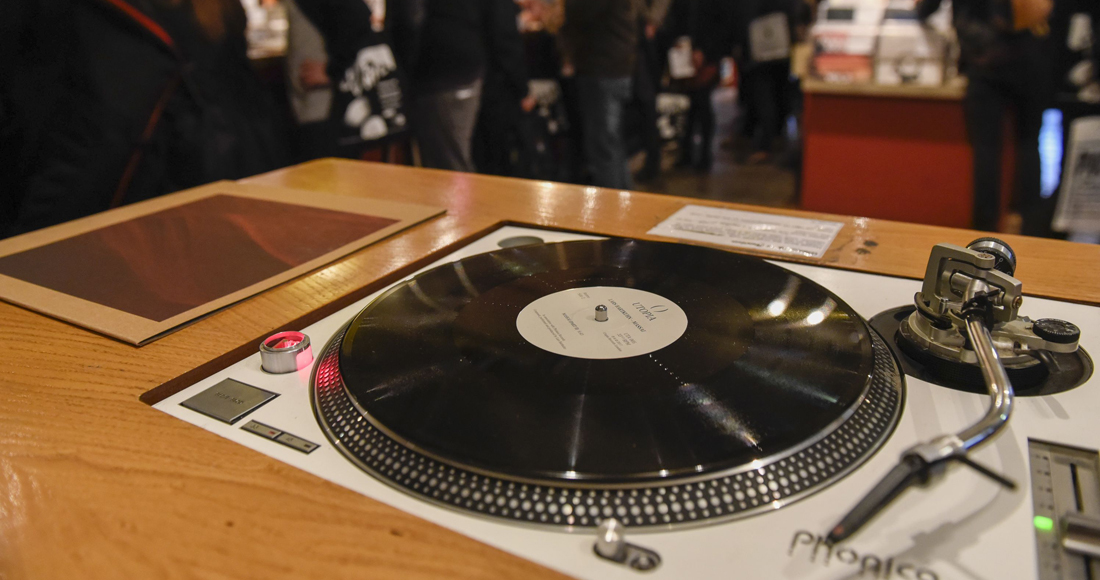
Your Ashes Can Be Turned Into A Vinyl Record After You Die

Pin On Hi Fi

Amazon Com Vinyl Record Player Vintage Suitcase Turntable 3 Speed For 7 10 12 Lp Bluetooth 2 Stereo Speakers 9v 1 5a Dc In Standard Rca Headphone Outputs Black Black Home Audio Theater

Chinna Manikkuyile Echo Tamil Vinyl Audio Songs Vinyl Records Desi Music

Van Morrison Domino Into The Mystic 45 Rpm Warner Bros Hits Record Vinyl 7 Wb Records Warner Bros Van Morrison

Once you re happy with the setup and the levels it s time to get recording.
Recording vinyl records at 16 bit 88 2. This freemium application may not offer dedicated tools for converting vinyl into more accessible formats but it can still record at sampling rates up to 192khz and export the resulting audio. General maximum quality for most recordings is 96k hz 24 bit but this will create a very large file. With 8 bit there are 256 steps to recreate your analog waveform level at 16 bit we talking about 65 thousand steps and at 24 bit more than 16 million steps. It is because when you are tracking at this bit depth and sample rate.
For cd quality recording we recommend 44 1 khz 16 bit for your input settings. Most of these home made digital tracks sound much better that the same tracks on commercial cds and i can enjoy them in my car and ipods. Because of a cd s limitations they down res from those specs. Even a 2 second audio sine wave the simplest form of audio wave is already 1 46mb in file size.
24 bit 96 khz recording will yield an audio resolution of 250 times more than 16 bit 44 1 khz. There is more to tell about the properties and relative advantages of using 16 24 or even higher bit rates. Some may not even notice the difference. 24bit 96 khz recording will consume around 3 25 more space than a 16 bit 44 1 khz recording.
In the real world a 24 bit 96 khz recording does not mean it will sound 250 times better. I record only at 192k 24 bit perform digital editing to separate the tracks remove ticks with izotope rx software then final master to 44 1k 16 bit with dither. Your computer can also handle 16 bit audio files faster than higher bit words 24 48 and 96 are other common bit lengths in audio. In my case it s set to 2 channel 16 bit 48000hz.
For exporting your recording to mp3 we recommend 320 kbps kps dj quality. The implication then is that you could work with about 20db more headroom in a 24 bit system without any increase in the apparent system noise over the 16 bit mode. It defines the resolution of how well differences in level within a signal can be represented. But for most home studio applications selecting 32 bit float and 192 khz is not practical.
But vinyl from digital recordings ideally is made from the higher resolution files. This is down res from what is now possible with current technology most studios today record at 88 1 or 96 khz sampling rate and 24 bit depth. Cd specs are 44 1 khz sampling rate with 16 bit depth. Mp3s optimize and compress file size.
And below are the common audio bit depths. A properly dithered 16 bit system provides a dynamic range of around 93db while a mid budget 24 bit system should be able to deliver something around 115db or so. For most people recording in home recording studios 16 bit audio will probably be good enough. The real difference is the bit rate.
Recording your vinyl records.

Custom Made Turntable Diy Turntable Turntable Audio Design

Michael Jackson Thriller Original Epic Qe 38112 Gatefold Lp Vinyl Records Michael Jackson Thriller Thriller Album Michael Jackson

Vintage Bbc Technics Studio Turntables And Console Up For Sale On Ebay Turntable Turn Table Vinyl Technics Turntables

Ortofon Test Record

Simple And Classy Ways To Store Your Vinyl Record Collection Vinyl Storage Record Storage Record Room
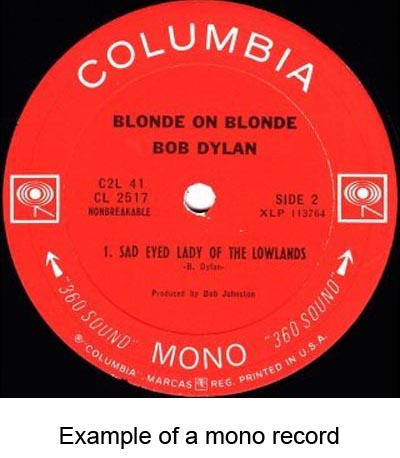
Vinyl Records The Appeal Of Record Collecting Thetubestore Blog
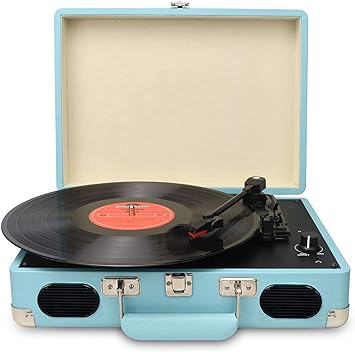
Digitnow Vintage Turntable 3 Speed Vinyl Record Amazon In Electronics

The 30 Best Vinyl Reissues Of 2015 The Vinyl Factory

Portable Record Player Truetone Turntable Aqua Blue Etsy Portable Record Player Vintage Record Player Record Player

Estqilcruqeqmm

Chinna Manikkuyile Echo Tamil Vinyl Audio Songs Vinyl Records Desi Music

Bazzi Cosmic Vinyl Cosmic Vinyl Vinyl Records Music

Amazon Com Acrylic Turntable Mat Black Lp Slipmat Musical Instruments

